
Published Research
RESEARCH ON BRAIN, SPINAL AND NEUROVASCULAR CONDITIONS
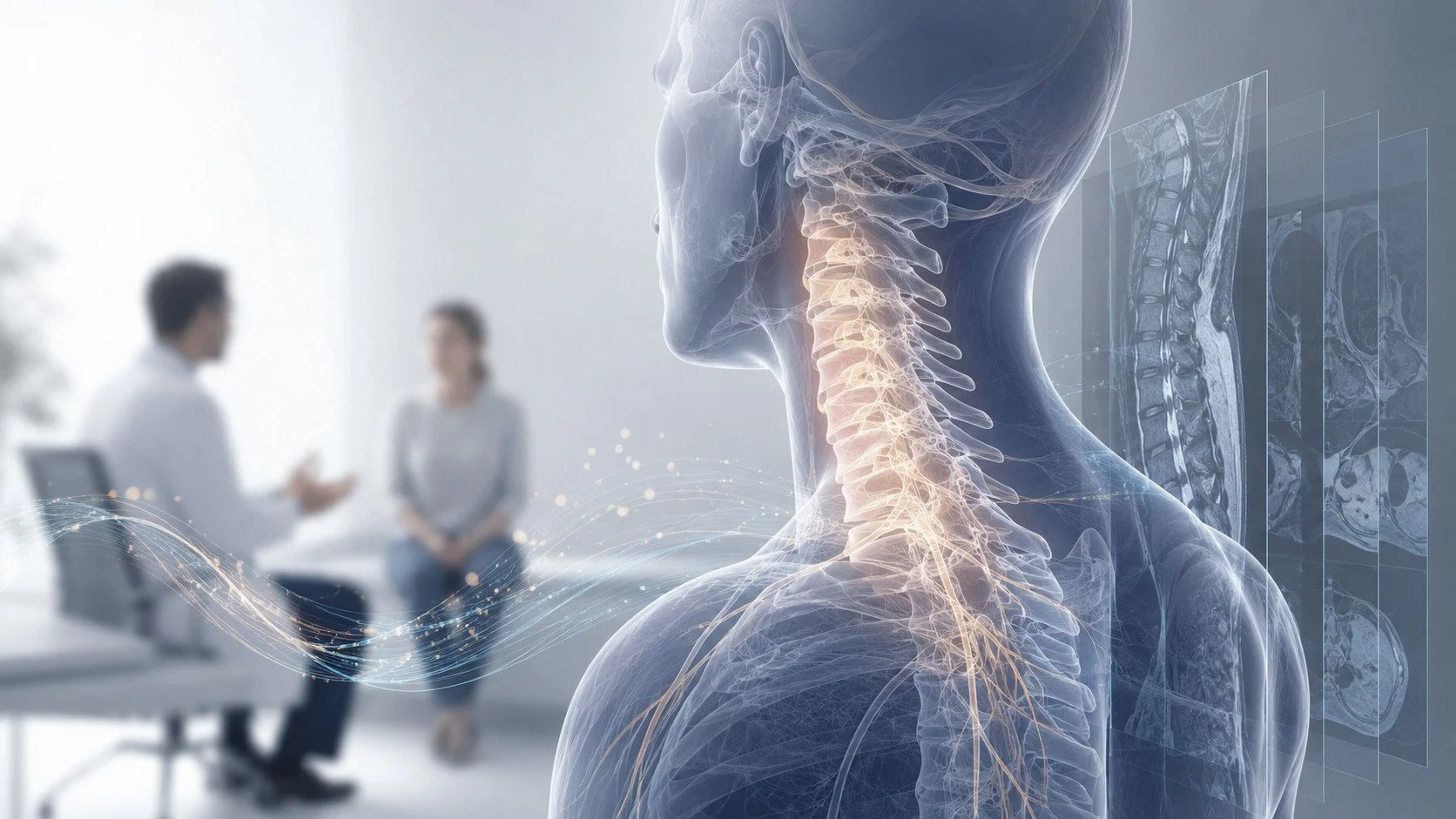
Functional and clinical outcomes following surgical treatment in patients with cervical spondylotic myelopathy: A prospective study of 81 cases
This paper supports content on cervical spinal cord compression and the careful assessment of surgical outcomes. It should be framed as evidence about a defined group of patients rather than a guarantee of individual recovery.
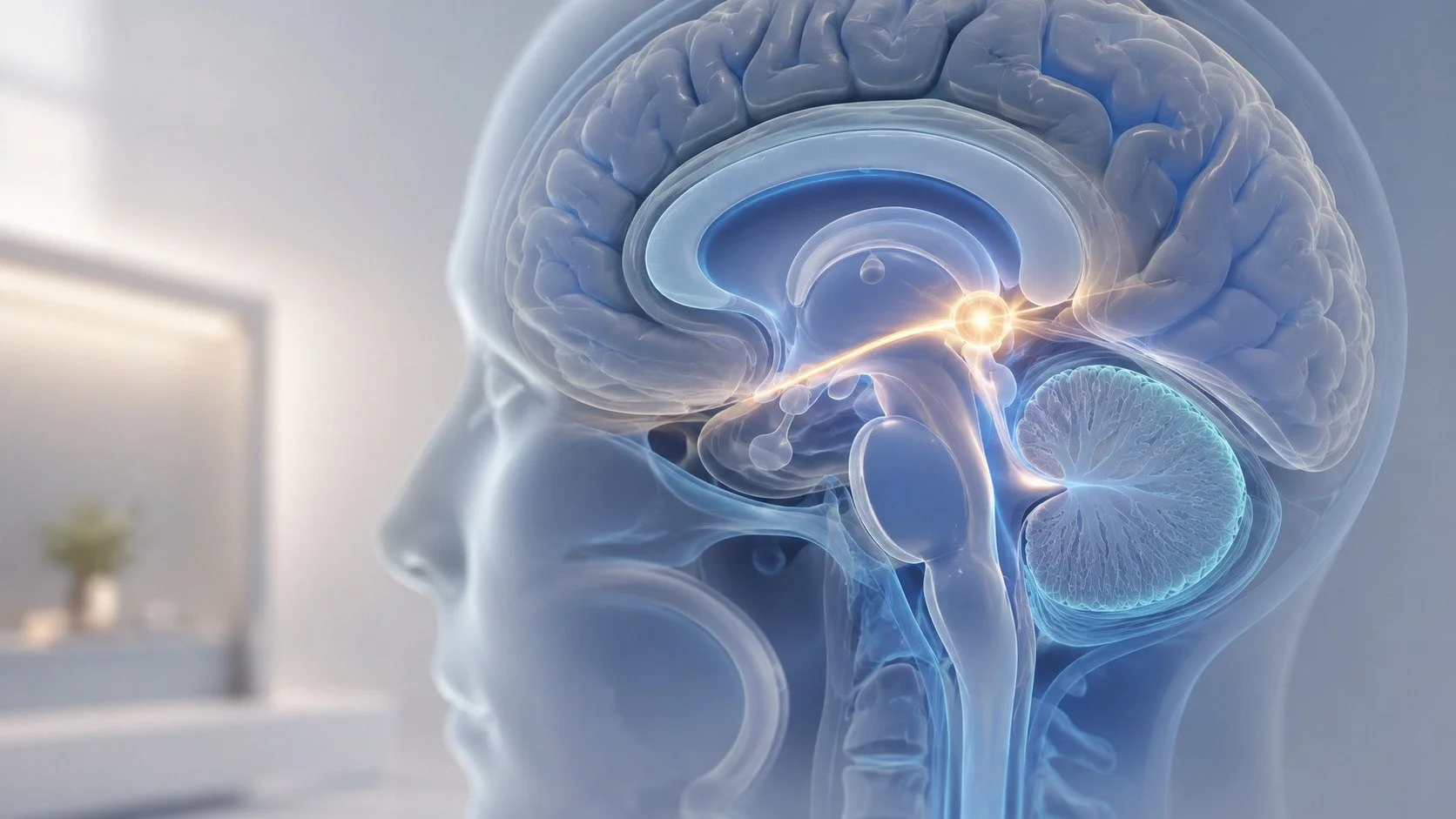
NSRG-22. Endoscopic approach to pineal region lesions with splitting of the choroid fissure and massa intermedia
This publication is relevant to minimally invasive approaches for selected deep brain and pineal region lesions. For website use, it can help illustrate careful planning in technically complex cases without implying that one approach is suitable for every patient.

NSRG-23. 5-Aminolevulinic acid guided resection of paediatric central nervous system tumours: the largest single centre series in the UK
This work reflects interest in technologies that may help surgeons distinguish tumour tissue during complex operations. It should be presented cautiously, noting that paediatric evidence is still developing and usefulness varies by tumour type.

Delayed heamatoma after melanoma metastasis resection upon restart of Immunotherapy: Case Report and Review of the Literature
The publication is useful for explaining the complexity of brain metastasis care, particularly where neurosurgery overlaps with modern oncology treatments. For patient-facing content, it should be framed carefully as a case report rather than generalised evidence.
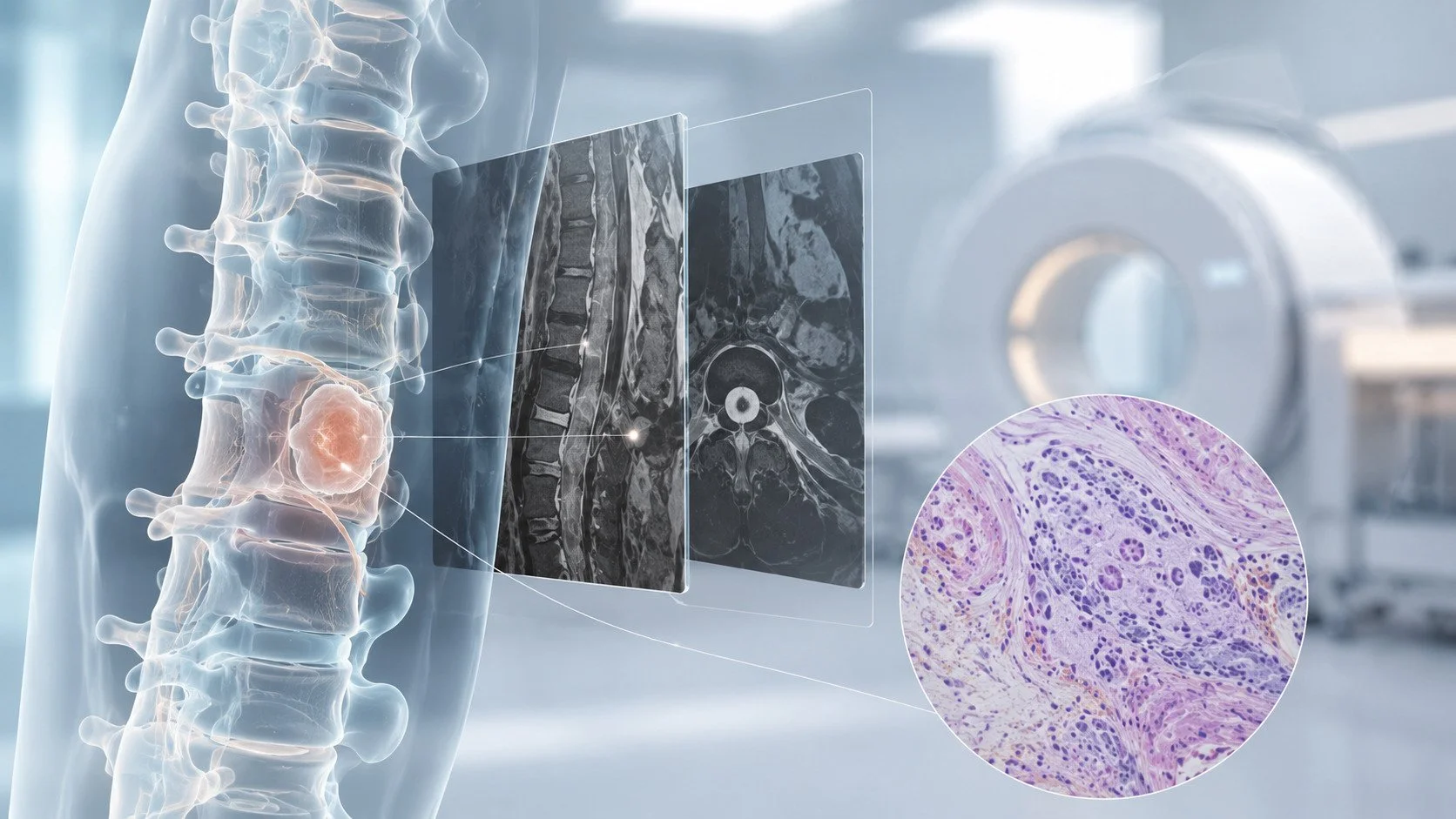
Spinal myxomas: review of a rare entity
This publication contributes to understanding a rare spinal tumour diagnosis that may mimic other lesions on imaging. It is useful for explaining the importance of careful diagnostic assessment and multidisciplinary interpretation in unusual spinal cases.

A Smart Force-Limiting Instrument for Microsurgery: Laboratory and In Vivo Validation
This paper explores a surgical instrument designed to help reduce excessive force during microsurgery. It is useful for content about precision, surgical training and innovation aimed at protecting delicate tissues during complex operations.

Neurosurgery and coronavirus: impact and challenges - lessons learnt from the first wave of a global pandemic
This publication documents how a tertiary neurosurgical service adapted during the first COVID-19 wave. It may be useful for broader authority content around service resilience, urgent neurosurgical care and maintaining safe pathways during periods of healthcare disruption.
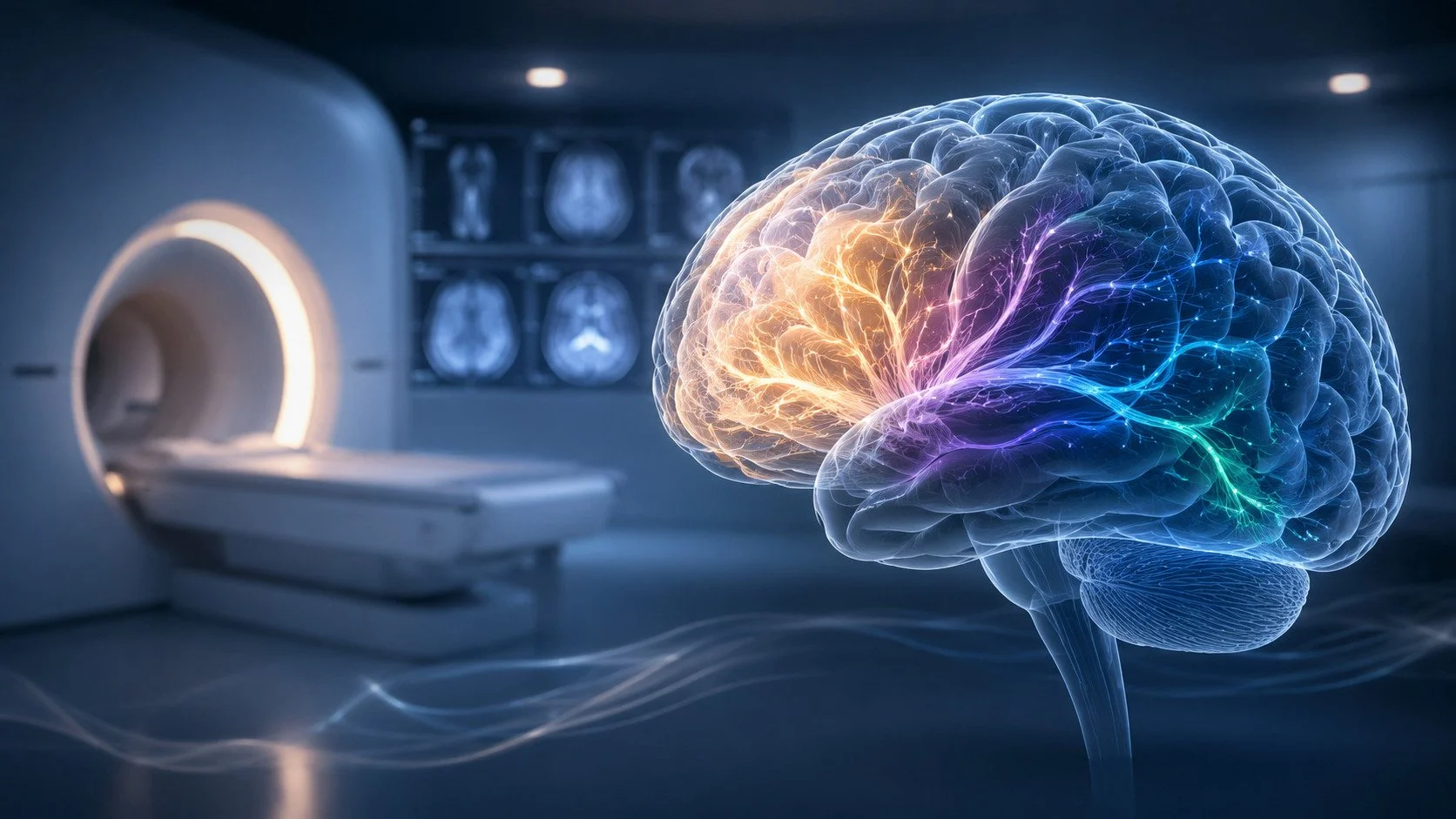
Middle Frontal Gyrus and Area 55b: Perioperative Mapping and Language Outcomes
This publication explores language mapping during awake brain tumour surgery, focusing on the middle frontal gyrus and area 55b. It supports website content about advanced functional mapping, language preservation and careful planning for tumours near eloquent brain regions.
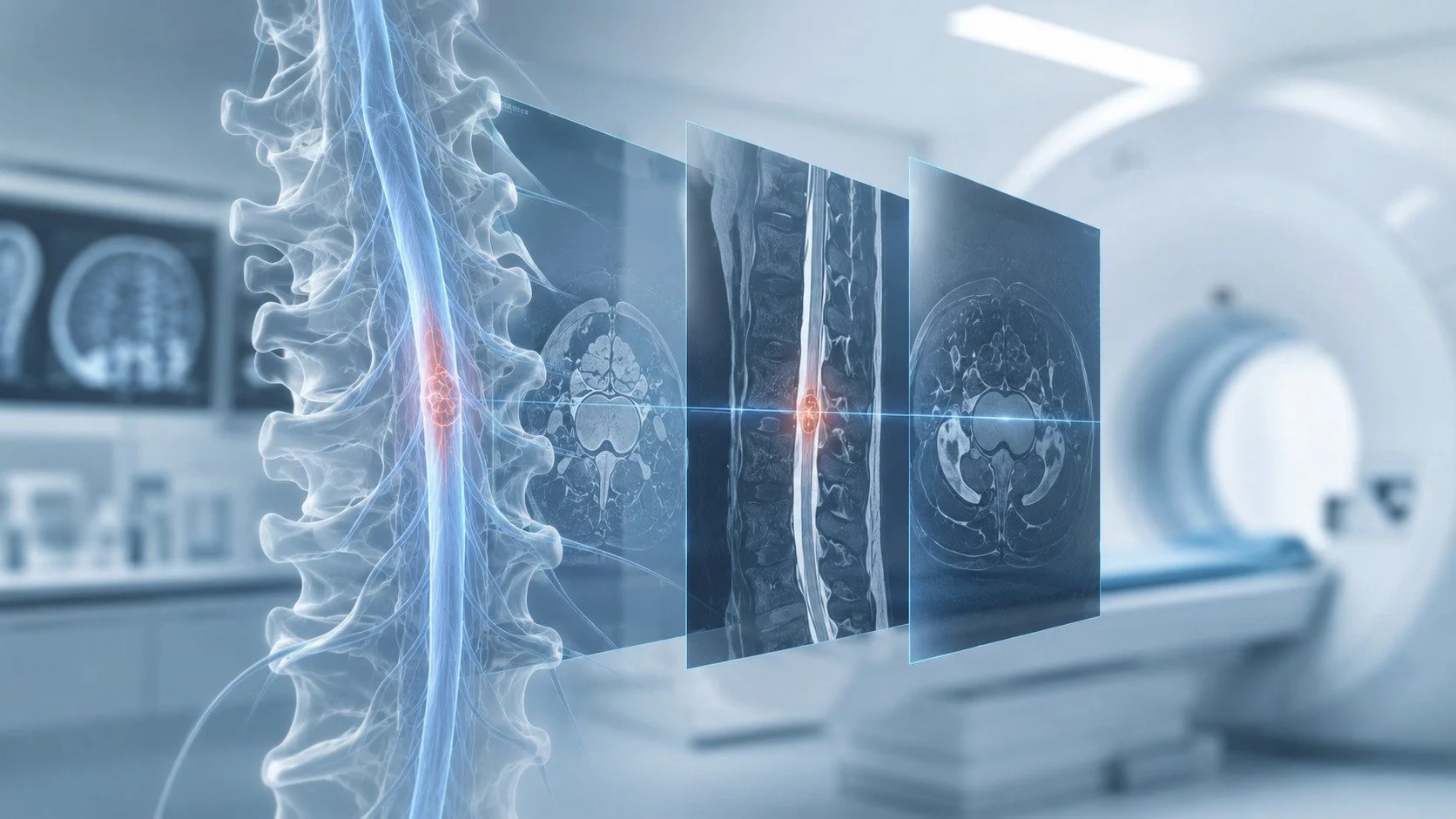
Prognostic factors for surgically managed intramedullary spinal cord tumours: a single-centre case series
This case series focuses on factors that may influence outcomes after surgery for intramedullary spinal cord tumours. It is relevant for content explaining that prognosis and treatment planning depend on tumour type, neurological function, imaging findings and individual surgical risk.
Intraoperative Neurophysiological Monitoring for Intradural Extramedullary Spinal Tumours
This paper examines the role of intraoperative neurophysiological monitoring during surgery for intradural extramedullary spinal tumours. It is useful for explaining how monitoring may support surgical decision-making when protecting spinal cord and nerve function is a priority.

Tractography-Enhanced Biopsy of Central Core Motor Eloquent Tumours: A Simulation-Based Study
This simulation study looks at whether tractography can improve planning for biopsies of tumours close to important movement pathways. It supports content on careful preoperative planning, image guidance and reducing risk when operating near eloquent brain areas.

Bayesian Networks for Risk Assessment and Postoperative Deficit Prediction in Intraoperative Neurophysiology for Brain Surgery
This study explores how Bayesian networks may help assess risk and predict postoperative neurological deficit in brain surgery using intraoperative monitoring data. It is relevant to website content on careful intraoperative decision-making, monitoring and risk reduction in complex neurosurgery.
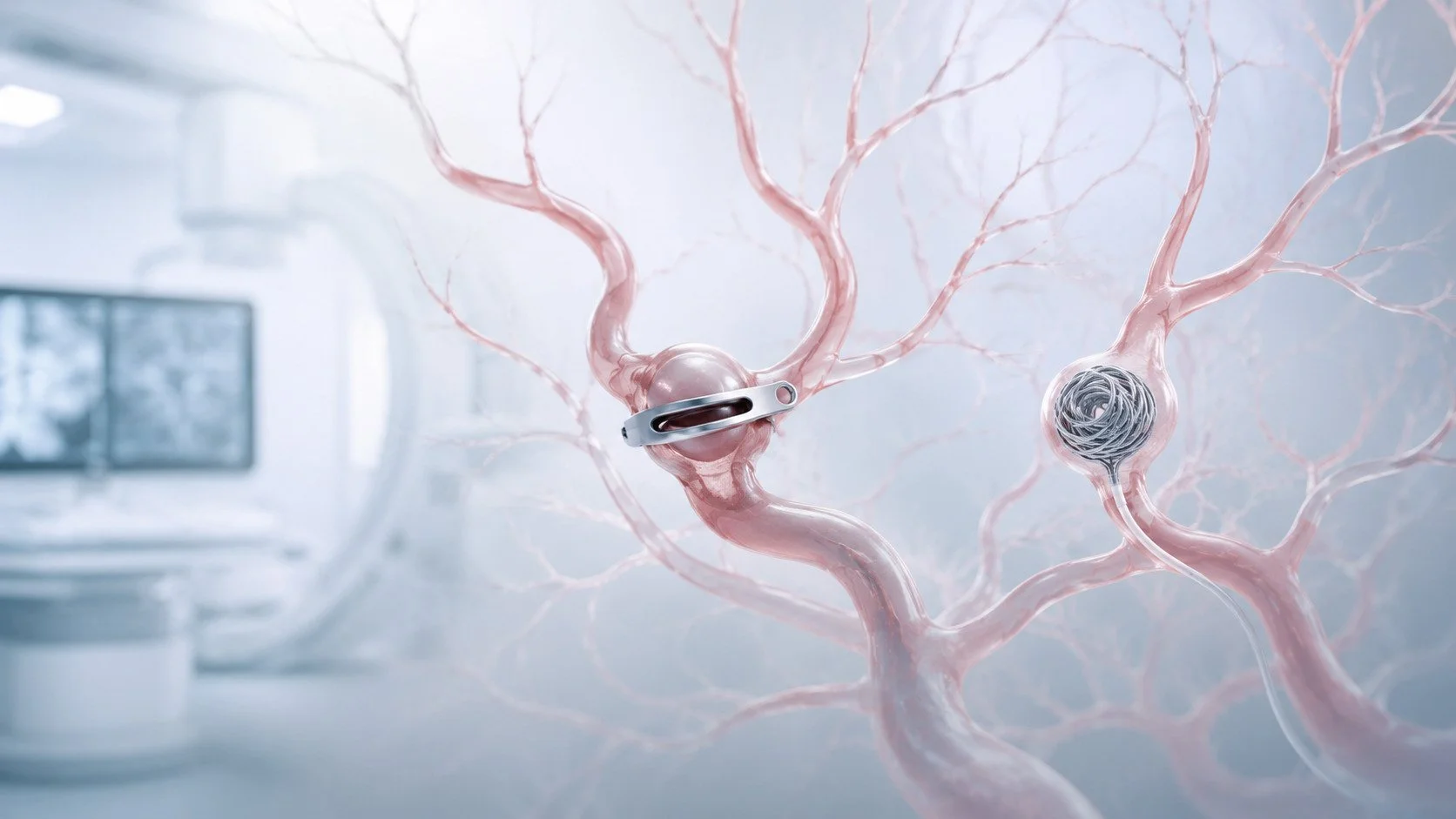
Clipping aneurysms improves outcomes for patients undergoing coiling
This study looks at national outcomes for aneurysmal subarachnoid haemorrhage and the relationship between microsurgical aneurysm activity and centre outcomes. It is relevant for explaining why complex aneurysm care benefits from close neurosurgical involvement and careful treatment selection.
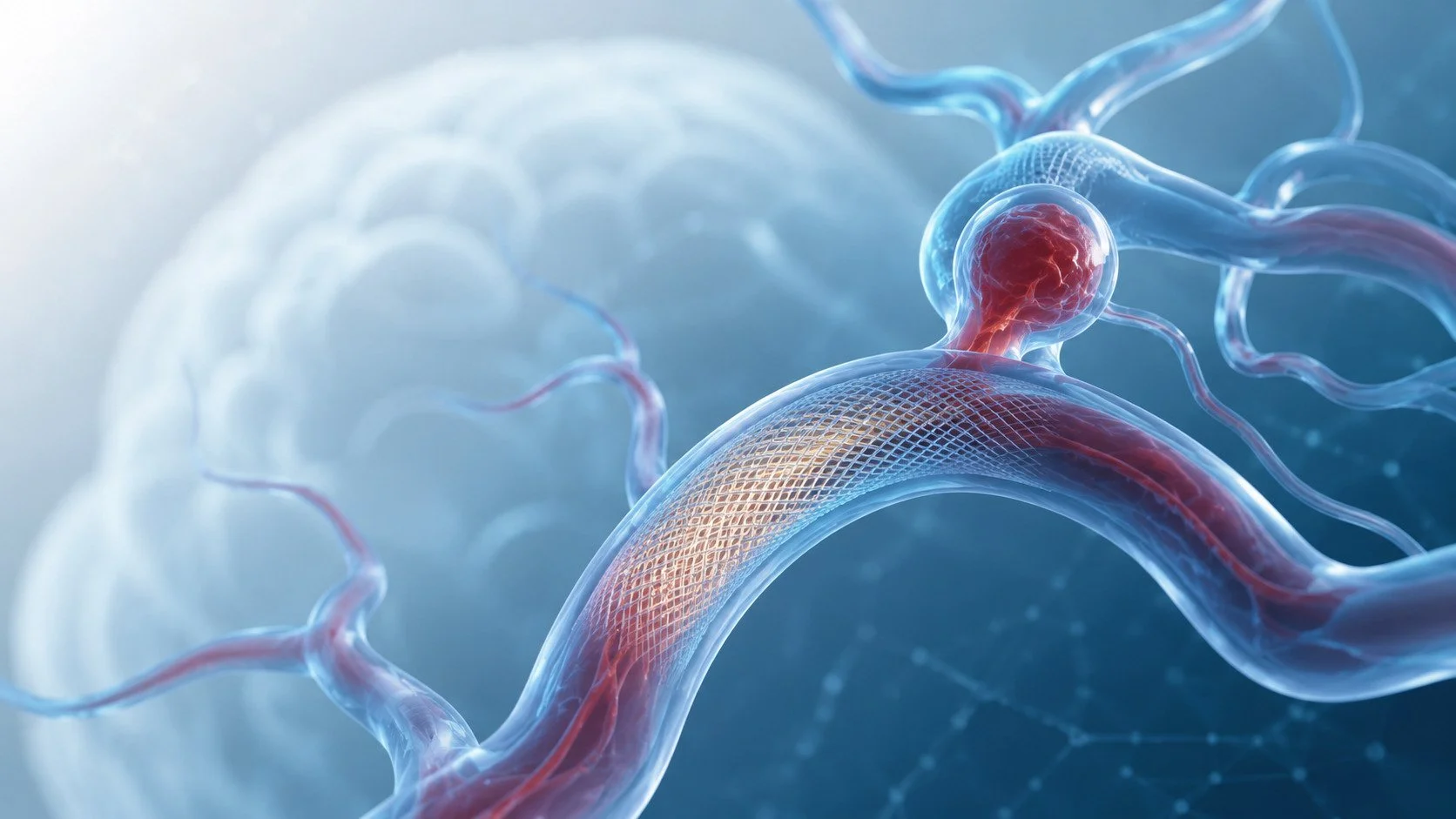
Outcome study of the Pipeline Vantage Embolization Device (second version) in unruptured (and ruptured) aneurysms (PEDVU(R) study)
This multicentre study reports outcomes for a newer flow-diverting device used in intracranial aneurysm treatment. It can support content explaining that some aneurysms are considered for endovascular treatment, while treatment choice still depends on aneurysm type, rupture status and individual risk.
Cost-effectiveness of repeat delayed imaging for spontaneous subarachnoid hemorrhage
This paper examines repeat delayed CTA after spontaneous subarachnoid haemorrhage when initial imaging does not show an aneurysm. It is helpful for content about diagnostic clarity, follow-up imaging and the importance of not assuming the cause has been fully excluded too early.
The changing landscape of cerebral revascularization surgery: A United Kingdom experience
This study reviews how cerebral revascularisation surgery has changed in the UK as flow-diverting stents have become more widely used for complex aneurysms. It is useful for explaining why complex neurovascular care depends on careful case selection and specialist team experience.
Current decision support tools fail to agree or predict therapeutic decisions in a single cohort of unruptured intracranial aneurysms
This paper looks at whether commonly used aneurysm decision tools matched real-world multi-disciplinary decision-making in a UK neurovascular centre. It supports a careful, individualised approach to unruptured brain aneurysms rather than relying on scoring tools alone.

Microvascular Cortical Dynamics in Minimal Invasive Deep-Seated Brain Tumour Surgery
This publication focuses on brain surgery for deep-seated brain tumours and looks at changes in small blood vessels on the surface of the brain during minimally invasive surgical approaches. It is relevant to intraoperative monitoring, surgical planning and the use of imaging during complex neurosurgical procedures.