

MR AHILAN KAILAYA-VASAN
Spinal Conditions and Diseases Treated
Understanding Spinal Conditions
Spinal conditions affect the bones, discs, nerves, and blood vessels that support and protect the spinal cord. They may cause pain, weakness, or problems with movement and can significantly impact quality of life.
Some spinal conditions progress slowly, while others may lead to sudden neurological symptoms requiring urgent care. Accurate diagnosis and early specialist review are essential to achieve the best outcomes.
Mr Kailaya-Vasan is a consultant neurosurgeon with expertise in both degenerative and vascular spinal disorders, offering advanced surgical and non-surgical treatments tailored to each patient.
Specialist Spinal Services
-

Back & Neck Pain
Back and neck pain are among the most common musculoskeletal complaints. Causes include poor posture, muscle strain, herniated discs, or arthritis. Most improve with physiotherapy, medication, and lifestyle adjustments, though surgery may be needed for severe nerve compression.
-

Degenerative Disc Disease
Degenerative disc disease occurs when spinal discs lose flexibility and height over time, leading to stiffness, back pain, and sometimes nerve compression. Management includes physiotherapy, pain management, or surgery such as discectomy in severe cases.
-

General Pain Management
Spinal conditions often cause long-term pain that requires specialist input. Pain management strategies may include physiotherapy, medication, targeted injections, and minimally invasive procedures. The goal is to reduce symptoms, improve function, and restore quality of life.
-

Sciatica
Sciatica happens when the sciatic nerve is compressed, usually by a herniated disc. It causes sharp pain, tingling, or weakness down one leg. Most patients improve with physiotherapy, medication, or injections, but surgery may be needed for persistent or severe cases.
-

Spinal Cord Compression
Spinal cord compression occurs when pressure builds on the spinal cord, often due to tumours, injury, or degenerative changes. Symptoms can include pain, weakness, or bladder and bowel changes. Prompt treatment is essential to prevent permanent disability.
-

Spinal Vascular Disorders
Spinal vascular disorders are rare conditions where abnormal blood vessels affect the spinal cord. These include arteriovenous malformations (AVMs) and dural arteriovenous fistulae (dAVFs). They may cause back pain, weakness, or paralysis if untreated. Treatment options include endovascular procedures, surgery, or a combination approach.
-
Spinal Tumours
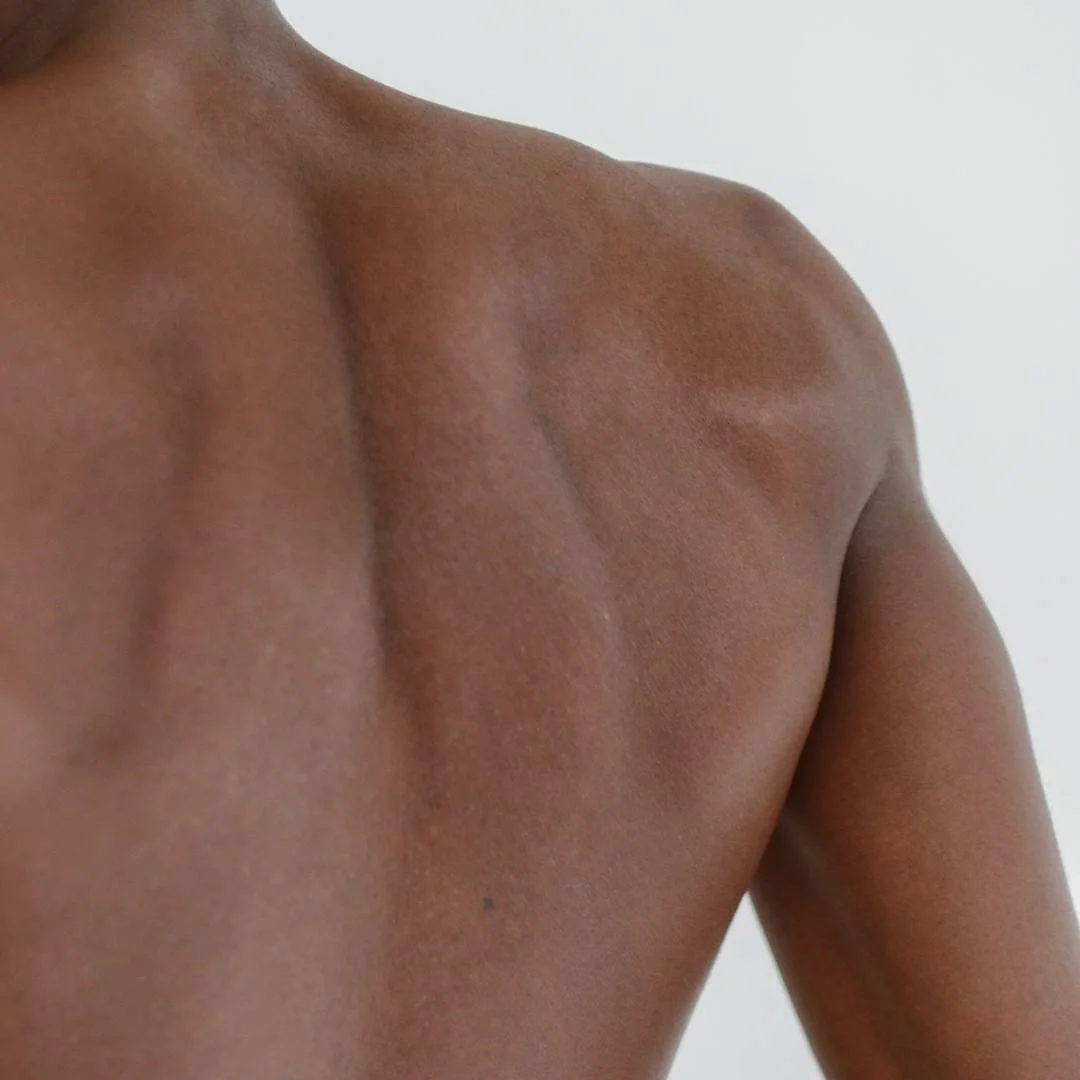
Spinal tumours develop within or around the spinal cord and may cause back pain, weakness, or sensory changes. Tumours may be benign or malignant and, if untreated, can affect nerve function. Management may include imaging, surgery, or radiotherapy, with minimally invasive techniques improving safety and recovery.

Why Specialist Care Matters
Spinal conditions can be complex, and the right treatment depends on accurate diagnosis and tailored care.
Mr Kailaya-Vasan is widely recognised for his expertise in spinal surgery and pain management, offering patients access to advanced surgical and non-surgical techniques at leading private hospitals in London and the Southeast.
If you or a loved one is experiencing spinal pain or neurological symptoms, early review by a specialist can make a vital difference.