
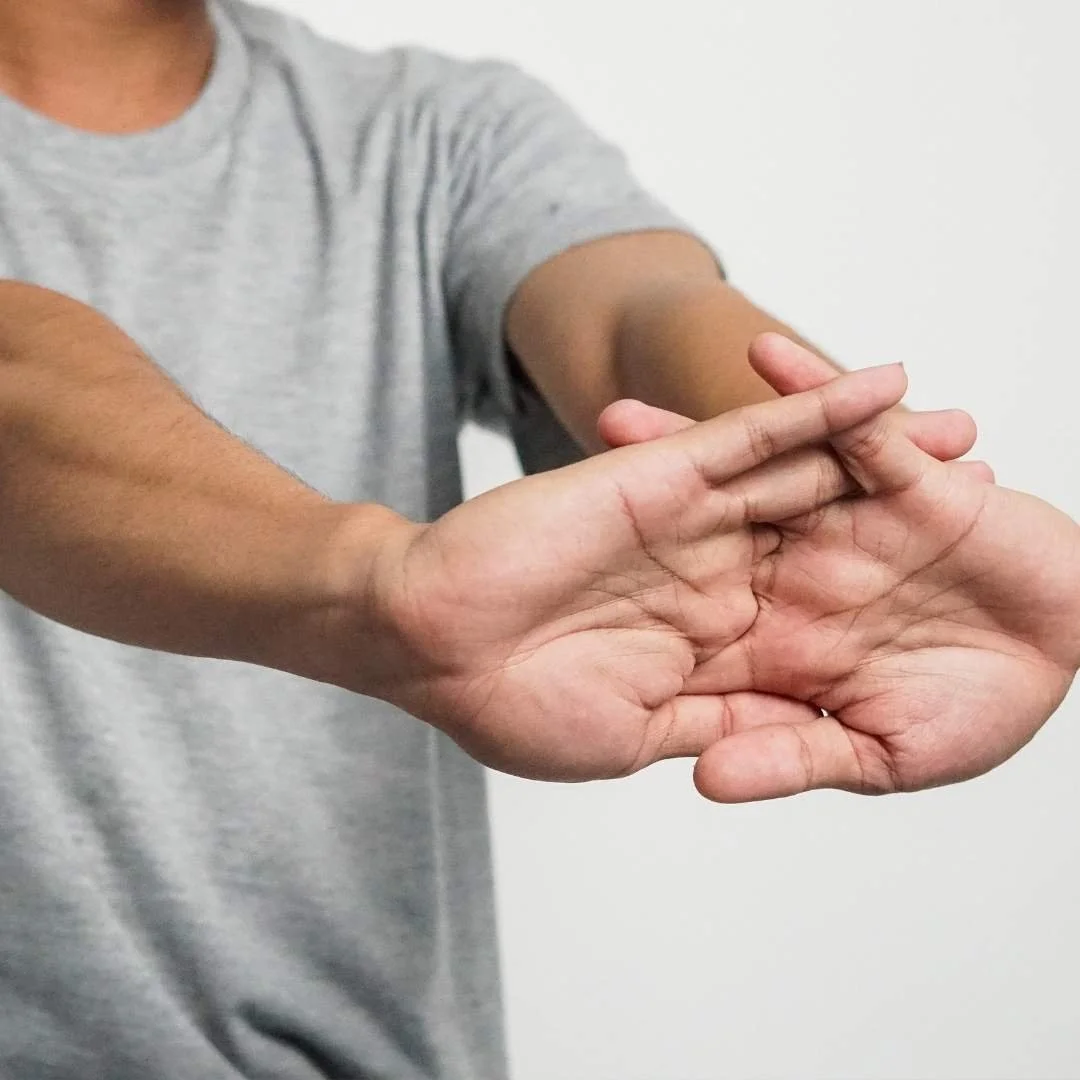
Ulnar Nerve Entrapment
Ulnar Nerve Entrapment: At a Glance
What it is: Ulnar nerve entrapment, also known as cubital tunnel syndrome, happens when the ulnar nerve becomes compressed or irritated, most commonly at the elbow.
How it affects people: It can cause tingling, numbness, or weakness in the hand and fingers, especially the ring and little fingers. Some patients develop chronic pain or loss of grip strength if untreated.
Key concern: Progressive nerve damage leading to long-term weakness, loss of dexterity, or muscle wasting in the hand.
Diagnosis: Confirmed with clinical examination, nerve conduction studies, and imaging if needed.
Treatment options: Non-surgical care such as splints, activity changes, and physiotherapy, or ulnar nerve surgery if symptoms persist.
Outlook: With timely care, most patients achieve lasting pain relief and preserve normal hand function.
What is Ulnar Nerve Entrapment?
The ulnar nerve originates in the neck, running through the shoulder and elbow joint, and down into the hand. It is responsible for sensation in the ring and little fingers and helps control grip strength.
When the nerve is compressed, most often at the elbow, in the cubital tunnel, patients experience symptoms such as numbness in fingers, pins and needles, or weakness. This condition is also called ulnar nerve compression or cubital tunnel syndrome.
Types of Ulnar Nerve Entrapment
Doctors classify ulnar nerve entrapment based on the location of compression along the nerve pathway.
Cubital Tunnel Syndrome (at the elbow): The most common type of ulnar nerve entrapment. It occurs when the nerve is compressed as it passes behind the bony bump on the inside of the elbow (the “funny bone”).
Ulnar Tunnel Syndrome (at the wrist): Less common and caused by compression of the nerve as it passes through Guyon’s canal in the wrist.
Proximal Ulnar Nerve Entrapment (upper arm or forearm): Rarely, the nerve can become trapped higher up in the arm or forearm due to anatomical variations, trauma, or overuse.
Ulnar Nerve Entrapment Symptoms
Common symptoms of ulnar nerve entrapment include:
Tingling, pins and needles, or numbness in the ring and little fingers
Weak grip or difficulty with fine hand movements
Pain along the inner elbow or forearm (elbow nerve compression)
Hand muscles appearing smaller (muscle wasting) if severe or long-term
Symptoms that worsen with putting pressure on the elbow, bending your wrist, or prolonged elbow flexion (e.g. holding a phone, resting on the elbow)
Emergency attention is needed if sudden severe weakness or complete loss of function develops.
Causes and Who Is at Risk
Causes of ulnar nerve entrapment include:
Prolonged or repeated bending of the elbow
Leaning on the elbow for long periods
Elbow fractures or arthritis narrowing the cubital tunnel
Thickened ligaments or soft tissues pressing on the nerve
Rarely, cysts or other growths causing nerve injuries
Risk Factors
Occupations or activities involving repetitive elbow flexion
Previous elbow injuries or arthritis
Diabetes or other conditions affecting nerve health
Genetic predisposition to narrow cubital tunnels
In some cases, medial epicondylitis (golfer’s elbow) may increase risk
Getting a Diagnosis
A diagnosis is based on:
Clinical assessment: Testing sensation, grip strength, and muscle function in the hand.
Nerve conduction studies and electromyography (EMG): To measure how well the ulnar nerve signals travel.
Imaging (ultrasound or MRI): To check for structural causes like cysts, arthritis, or bone spurs.
Accurate diagnosis ensures the right treatment options and avoids permanent nerve damage.
Treatment Options for Ulnar Nerve Entrapment
Most patients with ulnar nerve entrapment improve with non-surgical care. Surgery is only recommended if symptoms persist, worsen, or cause muscle weakness or wasting in the hand.
Activity Adjustments
Avoiding prolonged elbow flexion and reducing pressure on the nerve can prevent further irritation. Adjusting daily habits, especially during work or sleep, often eases early symptoms.
Splints or Padding
Wearing a padded elbow support or night splint helps protect the ulnar nerve and keep the elbow in a neutral position while sleeping.
Physical Therapy
Targeted exercises can improve flexibility, strengthen surrounding muscles, and relieve tension on the nerve. Nerve gliding exercises may also be recommended to improve mobility and reduce irritation.
Steroid Injections
In selected cases, corticosteroid injections can reduce inflammation and swelling around the nerve, offering temporary symptom relief.
Pain Management
Medication, anti-inflammatories, or targeted nerve blocks, often provided through a pain clinic, can help reduce discomfort and restore hand and arm function.
Surgical Treatment
The most common procedures include cubital tunnel release (the ligament compressing the ulnar nerve is released to relieve pressure) or ulnar nerve transposition (the nerve is gently moved to a new position to prevent further irritation or compression).
Mr Kailaya-Vasan, an experienced peripheral nerve surgery specialist and consultant neurosurgeon in London, provides both non-surgical and advanced surgical treatments for ulnar nerve entrapment. His patient-centred approach ensures safe, effective outcomes tailored to each individual’s needs.
Living with Ulnar Nerve Entrapment
With early intervention, most patients recover well. After surgery, rehabilitation and physical therapy can help restore grip strength and dexterity.
Patients are encouraged to:
Avoid prolonged leaning on elbows
Use ergonomic adjustments at work and home
Follow a structured rehabilitation programme
Seek prompt review if numbness or tingling in the hand and fingers worsens or symptoms return
Long-term outcomes are generally excellent when treatment is started before severe nerve damage occurs.
Book a consultation with Mr Ahilan Kailaya-Vasan
Receive a clear diagnosis and a tailored treatment plan from a leading consultant neurosurgeon. Appointments are available at top London hospitals, with remote options for international patients.
Seeking a second opinion?
If you have already received a diagnosis elsewhere, Mr Kailaya-Vasan can provide an independent review of your scans and medical notes, and explain the safest and most effective next steps.
-
It is another name for ulnar nerve entrapment, where the nerve is compressed at the elbow.
-
Tingling, numbness, and weakness in the ring and little fingers, sometimes worse at night.
-
Through clinical examination and tests such as a nerve conduction study or EMG.
-
No. Many improve with splints, lifestyle changes, and therapy. Ulnar nerve surgery is only needed if symptoms persist or if there is progressive weakness.
-
Yes, ulnar nerve release and standard procedures are safe and effective. Recovery usually takes weeks, with most patients regaining full hand use.
FAQs about Ulnar Nerve Entrapment
If you have any further questions, please get in touch.