
What Happens When a Brain Aneurysm Is Found Incidentally?
Medical review: This article has been reviewed by Mr Ahilan Kailaya-Vasan, Consultant Neurosurgeon and Neurovascular Surgeon in London, and reflects current medical understanding at the time of publication.
Key Points
Many brain aneurysms are found incidentally during scans for unrelated reasons.
Finding an aneurysm incidentally does not automatically require treatment.
Risk is assessed based on size, location, and individual factors.
Careful monitoring is often the safest and most appropriate approach.
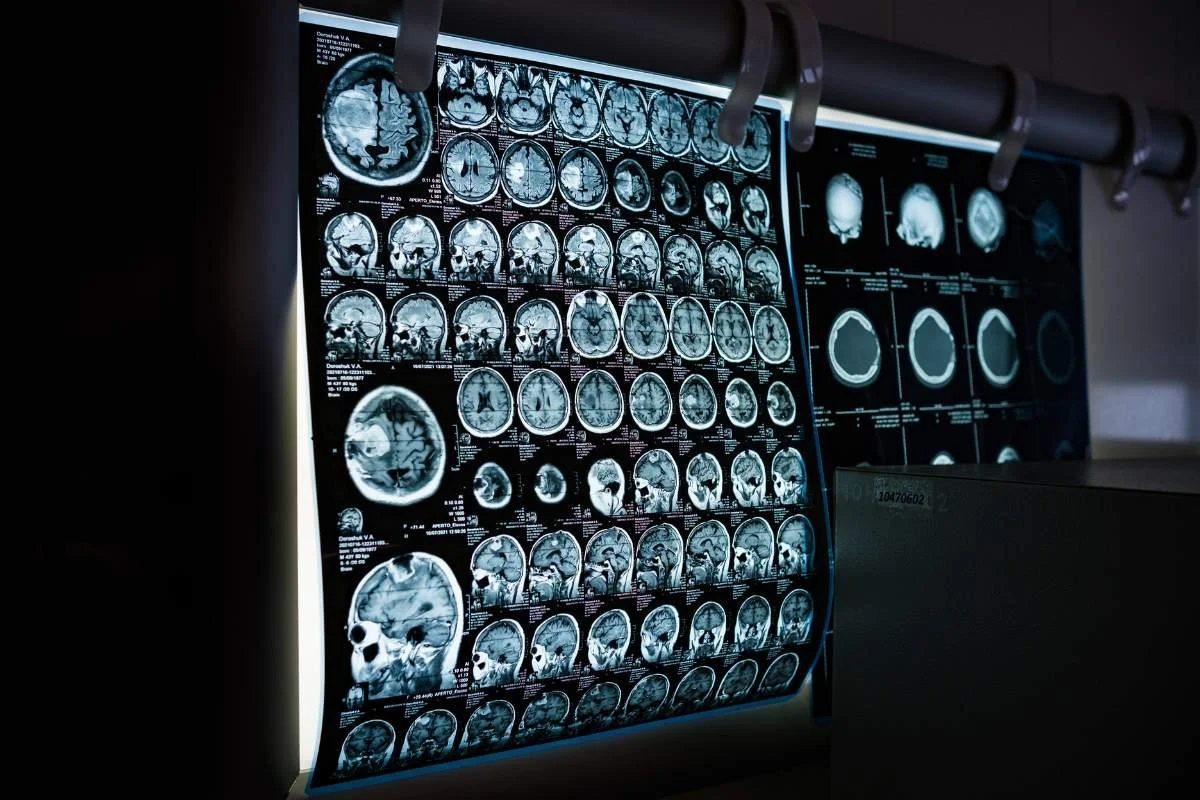
Brain aneurysms are sometimes discovered during imaging tests, such as MRI or a CT scan, carried out for unrelated symptoms, including headaches or dizziness. These are known as incidental findings.
Being told that an aneurysm has been found can feel unexpected, particularly when it was not the reason for the scan. However, in many cases, incidental aneurysms are small, stable, and do not require immediate diagnosis and treatment.
Understanding what this finding means, and what happens next, is an important first step.
What Is an Incidental Brain Aneurysm?
An incidental brain aneurysm is one that is discovered by chance, rather than because it has caused symptoms.
Aneurysms form when there is a weakness in the arterial wall, allowing part of the blood vessel to bulge outward. Many of these are classified as an unruptured aneurysm, meaning they have not caused bleeding.
Modern imaging techniques are widely used, which means these findings are becoming more common. Many people with small aneurysms would previously never have known they had one.
The key point is that: An incidental aneurysm is a description of a finding, not a diagnosis that automatically requires intervention.
Why These Findings Can Be Complex
Incidental aneurysms are often more complex to manage than those that have already caused symptoms, such as a ruptured aneurysm, which is a clearly life threatening event requiring urgent care.
This is because decisions are based on potential future risk, rather than a current problem that clearly requires treatment.
In practical terms, this means balancing:
The likelihood of the aneurysm causing harm over time
The risks associated with treating it
In many cases, the safest option is not immediate treatment, but careful assessment and observation.
How Risk Is Assessed
Not all aneurysms carry the same level of risk. Several factors are considered when deciding how best to manage an incidental finding.
These include:
Shape and appearance on imaging
Whether it has changed over time
Individual risk factors, such as age, overall health, and conditions like high blood pressure
These features influence the overall risk of rupture, which is usually low for smaller, stable aneurysms.
This is why management decisions are highly individual.
Does an Incidental Aneurysm Always Need Treatment?
No. Many incidental aneurysms do not require treatment.
In fact, a large proportion are managed conservatively, meaning they are:
Monitored over time
Reassessed with follow-up imaging
Reviewed periodically by a specialist
This approach is often appropriate for certain types of aneurysms, particularly those considered lower risk.
Treatment is usually considered only when the balance of risk changes. Options may include observation, medication to manage modifiable risk factors, or procedures such as endovascular coiling or microsurgical clipping.
What Does Monitoring Involve?
When monitoring is recommended, this typically involves:
Periodic imaging (such as MRI or CT angiography)
Clinical review to assess any changes
Ongoing evaluation of risk factors
Monitoring helps assess how blood flows through the affected vessel, the aneurysm and whether there are any changes over time.
The frequency of follow-up varies depending on the individual situation.
Monitoring is an active process, it allows changes to be identified early while avoiding unnecessary intervention.

Why Different Specialists May Offer Different Advice
It is not uncommon for patients to receive different recommendations from different specialists when an aneurysm is found incidentally.
This does not necessarily mean one opinion is wrong.
Neurovascular conditions, often managed within neurovascular surgery, can be approached in more than one safe way. Differences in recommendations may reflect:
Clinical experience
Interpretation of risk
Preference for different treatment options
Understanding the reasoning behind a recommendation is often more helpful than focusing on the recommendation itself.
When Specialist Review Is Helpful
Specialist input can be particularly valuable when:
The findings are unclear
The level of risk is uncertain
Different opinions have been given
You are unsure whether monitoring or treatment is appropriate
A neurovascular specialist, like Mr Vasan, can help place imaging findings into context and explain what they mean in practical terms, including whether there is any concern about related issues such as blood clots or other vascular changes.
What This Means in Everyday Terms
Many people live normal, active lives with an incidental brain aneurysm.
The presence of an aneurysm does not mean that it will cause problems. In many cases, the risk remains low and stable over time, and the condition can be safely managed without intervention.
Careful assessment, appropriate follow-up, and a clear understanding of the situation are usually the most important steps.
About the Specialist
Mr Ahilan Kailaya-Vasan is a Consultant Neurosurgeon and Neurovascular Surgeon in London with over 17 years of experience in the assessment and treatment of complex brain and cerebrovascular conditions. He is recognised for his measured, evidence-based approach and is frequently consulted for specialist opinions in cases where diagnosis or management is uncertain.
As a private neurosurgeon, he works with patients in the UK and internationally, providing specialist review of imaging and clear guidance in complex neurovascular cases affecting the brain and, in some cases, the spinal cord.

If you would like a specialist opinion or further clarification regarding your diagnosis or treatment options, please get in touch.