
How Dehydration Affects the Brain (And When It Becomes Dangerous)
Medical review: This article has been reviewed by Mr Ahilan Kailaya-Vasan, Consultant Neurosurgeon and Neurovascular Surgeon in London, and reflects current medical understanding at the time of publication.

Key Points
Even mild dehydration can temporarily affect concentration, alertness, mood and other aspects of cognitive function.
Dehydration reduces fluid and blood volume, which can affect circulation and the body’s ability to maintain blood flow to the brain.
Mild dehydration is usually reversible with rehydration and does not indicate permanent brain injury.
Severe or prolonged dehydration can cause more significant symptoms, including confusion, dizziness and fainting, particularly in older adults and people with underlying medical conditions.
Water plays an essential role in almost every function of the body, including how the brain works. Even mild dehydration can affect how the brain functions in the short term, while more severe or prolonged dehydration can have more serious consequences.
This article explains how dehydration affects the brain, including aspects of cognitive function, why the brain is particularly sensitive to changes in fluid balance, and when dehydration becomes a medical concern.
Why Hydration Matters for the Brain
The brain is made up of around 75% water and relies on a stable internal environment to function properly. Hydration helps maintain blood volume, supports circulation, and allows nutrients and oxygen to be delivered efficiently to brain tissue via blood vessels.
Because the brain has high metabolic demands and limited energy reserves, it is sensitive to changes in blood flow and fluid balance. Even small shifts can affect concentration, alertness, and wider cognitive performance, reflecting the close relationship between hydration and the central nervous system.
How Dehydration Affects Blood Flow to the Brain
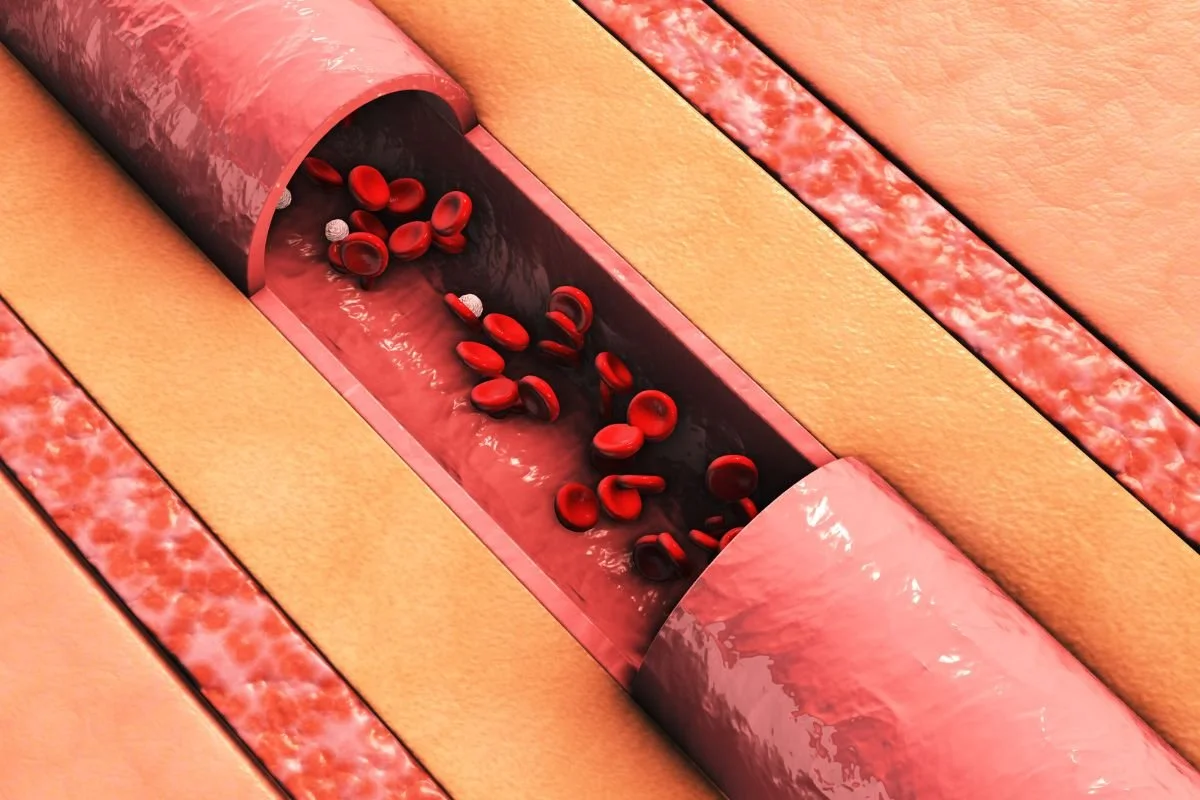
Dehydration reduces the amount of fluid in the bloodstream, which can lead to a reduction in blood volume. When blood volume falls, blood pressure may drop, and circulation to vital organs, including the brain, can be affected.
In response, the body activates compensatory mechanisms to maintain blood flow to the brain. These mechanisms are usually effective in mild dehydration but become less reliable as dehydration becomes more severe or prolonged over the long term.
Common Signs of Adequate Hydration
In everyday circumstances, hydration status can often be judged using simple indicators. Common signs of adequate hydration include:
Regular urination with pale yellow urine
Feeling alert and able to concentrate
A normal sense of feeling thirsty rather than persistent dryness
Stable energy levels during routine daily activity
In general terms, many adults require around 1.5 to 2 litres of fluid per day from drinks, with additional fluid often coming from food such as fruit and vegetables. Individual needs vary, and thirst, urine colour, and overall wellbeing are often more useful guides than fixed intake targets or rules about drinking enough water.
These signs are not precise medical measures, but they are widely used as practical guides. Hydration needs vary between individuals and can change with illness, physical activity, or environmental conditions.
Effects of Mild to Moderate Dehydration
Mild dehydration is relatively common and can occur when fluid intake does not keep up with losses from sweating, illness, or normal daily activity.
Research shows that even mild dehydration can be associated with:
Headache
Reduced concentration
Fatigue
Changes in mood or alertness
These effects are usually reversible once hydration is restored and do not indicate permanent brain injury.
A headache from dehydration is usually reversible once hydration is restored. These effects do not indicate permanent brain injury or a structural health condition.
When Dehydration Becomes More Serious
More significant dehydration can affect electrolyte balance as well as blood volume. Electrolytes such as sodium and potassium are essential for normal nerve signalling and brain function.
When dehydration is severe or prolonged, particularly in older adults or people with underlying medical conditions, it can lead to:
Confusion or altered mental state
Dizziness or fainting
Reduced blood pressure
Increases the risk of complications during illness
In these situations, dehydration becomes a medical issue that requires assessment and treatment, and may be associated with additional side effects if not addressed.

Dehydration, Headaches, and Neurological Symptoms
Headache is one of the most commonly reported symptoms of dehydration. While dehydration-related headaches are usually benign, they can be difficult to distinguish from other headache types, including migraine, particularly in the early stages.
Importantly, dehydration does not cause structural damage to brain blood vessels. However, dehydration can worsen symptoms in people who already have neurological or neurovascular conditions, which is why staying hydrated is often considered part of general supportive care rather than a specific treatment.
Who Is More Vulnerable to the Effects of Dehydration?
Certain groups are more susceptible to dehydration and its effects on the brain, including:
Older adults
People with kidney or heart conditions, including those at risk of kidney stones
Individuals with acute illness causing vomiting or diarrhoea
Those taking medications that affect fluid balance
In these groups, dehydration can develop more quickly and have more pronounced effects.
When to Seek Medical Advice
Medical assessment is important when dehydration is accompanied by:
Persistent confusion
Reduced consciousness
Inability to keep fluids down
Symptoms that do not improve with rehydration
These features suggest that dehydration may be part of a more significant medical problem.
What This Means in Everyday Life
Hydration is an important part of supporting normal brain function, but occasional mild dehydration is common and usually reversible. Serious complications arise when dehydration is severe, prolonged, or occurs in vulnerable individuals.
Understanding the difference between mild, everyday dehydration and dehydration that requires medical attention helps avoid unnecessary concern while ensuring appropriate care when needed, including sensible approaches to preventing dehydration.
About the Neurovascular Surgeon
Mr Ahilan Kailaya-Vasan is a Consultant Neurosurgeon and Neurovascular Specialist with over 17 years of experience in the assessment and treatment of complex brain and cerebrovascular conditions. He is recognised for his measured, evidence-based approach and is frequently consulted for specialist opinions in cases where diagnosis or management is uncertain.

As a private neurosurgeon, he works with patients in the UK and internationally, providing specialist review of imaging and clear guidance in complex neurological and neurovascular cases.
If you would like a specialist opinion or further clarification regarding your diagnosis or treatment options, please get in touch.
Sources:
https://www.nhs.uk/conditions/dehydration/
https://www.nhs.uk/live-well/eat-well/water-drinks-nutrition/
https://www.mayoclinic.org/diseases-conditions/dehydration/symptoms-causes/syc-20354086
https://academic.oup.com/nutritionreviews/article/68/8/439/1930845
https://www.ncbi.nlm.nih.gov/pmc/articles/PMC2908954/
https://pmc.ncbi.nlm.nih.gov/articles/PMC8280611/